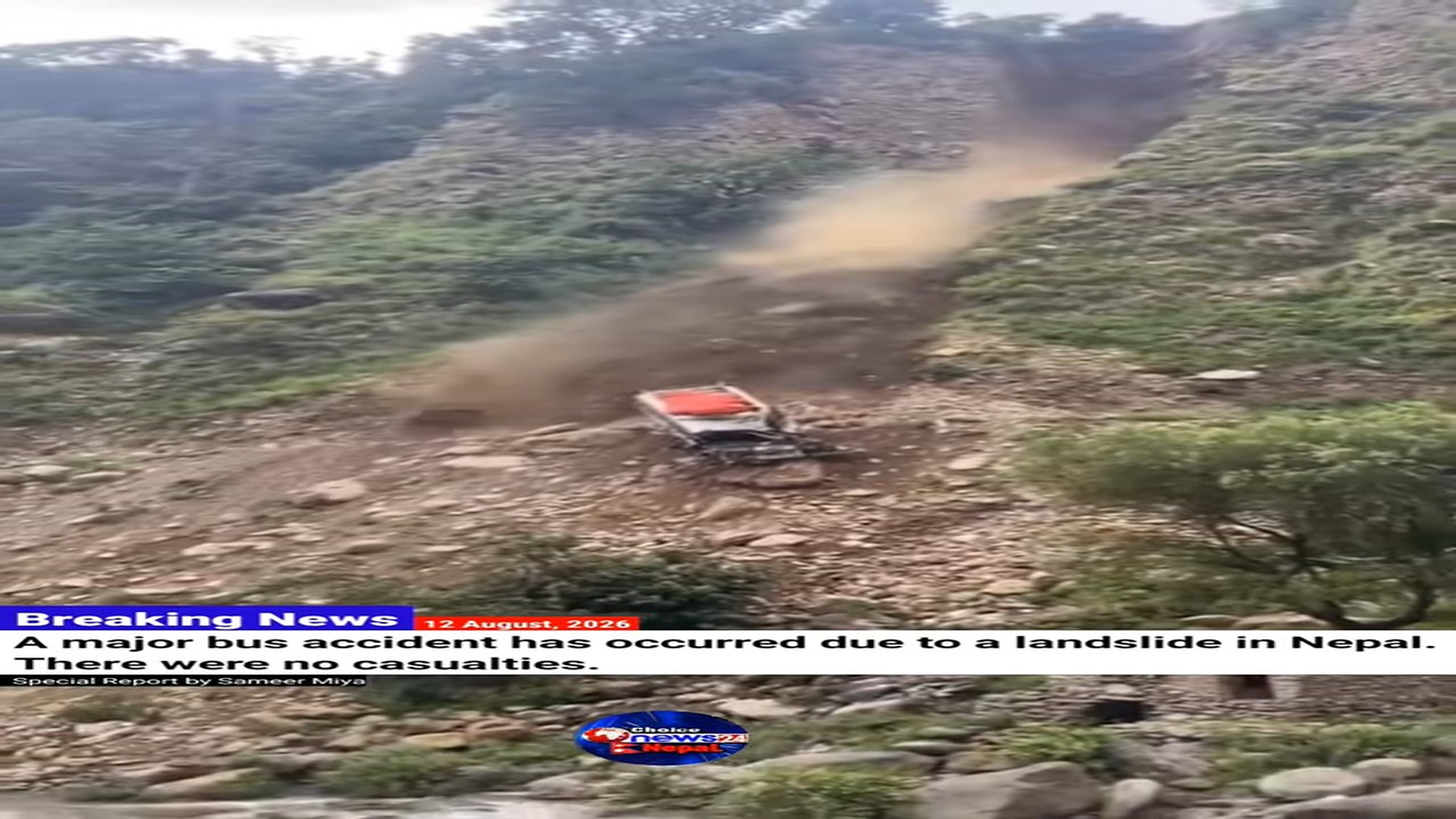
🔻 Watch the video below.
🔻

America’s Most Protected Trucks: Analyzing the Safest Pickup Vehicles for 2026
Navigating the Modern Truck Market: A Deep Dive into Safety and Performance
The automotive landscape of 2026 is defined by innovation, efficiency, and an ever-increasing emphasis on occupant protection. In the heart of this evolution sits the modern pickup truck—a category that has transcended its blue-collar roots to become a primary vehicle for millions of American households. Once valued solely for brute strength and utility, trucks like the Ford F-150, Ram 1500, and Chevrolet Silverado now compete in a space where sophisticated technology and advanced safety engineering are just as critical as towing capacity.
For discerning consumers, the question is no longer just “What’s the strongest?” but “What’s the safest?” In the United States, the gold standard for vehicle safety is set by rigorous testing from the National Highway Traffic Safety Administration (NHTSA) and the Insurance Institute for Highway Safety (IIHS). These organizations employ increasingly stringent protocols to evaluate how vehicles perform under real-world crash scenarios, looking at everything from frontal crash protection to pedestrian detection. Understanding these ratings is paramount when investing in a vehicle that is expected to perform reliably for years to come.
As the industry adapts to new regulations and consumer expectations, the definition of “safe” continues to evolve. This in-depth analysis will explore the top-tier pickup trucks of 2026, focusing on those that meet the highest safety standards. We will delve into the specific technologies and crash test results that set these vehicles apart, offering a comprehensive perspective that goes beyond standard specifications.
The Shifting Landscape of Truck Safety Standards
For decades, pickup truck safety was a secondary concern. Manufacturers focused on powertrains, suspension systems, and hauling capabilities. However, the transition to smart vehicles has placed safety at the forefront. Modern trucks are essentially rolling computers, equipped with Advanced Driver-Assistance Systems (ADAS) that mitigate risks before they become accidents.
The IIHS, in particular, has undergone significant methodological updates. In 2025 and 2026, the institute introduced more challenging tests to better reflect modern traffic environments. For example, the moderate overlap front crash test now simulates scenarios where the vehicle overlaps only 25% of the opposite vehicle—a test that has historically been difficult for trucks to pass due to their mass and height. Furthermore, the introduction of Updated side-impact tests with heavier, more realistic dummies and increased barrier speeds has proven to be the ultimate test of a truck’s structural integrity.
In this new era of testing, the Top Safety Pick+ designation has become the most coveted award. Achieving this level requires not only exceptional crashworthiness but also superior performance in pedestrian detection and mitigation technologies. It is a comprehensive seal of approval that signifies a manufacturer’s commitment to occupant protection above all else.
America’s safest trucks: The Elite Class of 2026
In 2026, the race for safety leadership has narrowed. While many popular trucks remain top performers, only a select few meet the most demanding criteria set forth by the IIHS.
The 2026 Toyota Tundra: Dependable and Resilient
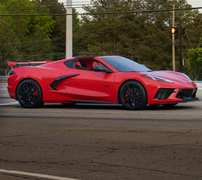
In the domain of full-size trucks, the 2026 Toyota Tundra stands out not just for its robust performance but for its unwavering commitment to safety. While the Tundra may trail some rivals in driving refinement, its safety credentials are second to none. In its Crew Cab configuration, the Tundra has earned the prestigious IIHS Top Safety Pick designation, supported by a perfect five-star overall safety rating from NHTSA.
The smaller Extended Cab configuration, while excelling in various crashworthiness tests with a Good score, is not currently rated by NHTSA. This distinction highlights the importance of vehicle size and specific configurations when evaluating safety.
The Tundra is equipped standard with Toyota Safety Sense 2.5, a suite of advanced active safety features designed to prevent collisions. This includes front automatic emergency braking with pedestrian detection, lane keep assist, adaptive cruise control, road sign recognition, and automatic high-beams. For drivers seeking additional protection, higher-trim models include blind-spot monitoring and rear cross-traffic alert, particularly valuable when towing trailers.
What sets the Tundra apart is its comprehensive approach to safety. The available hybrid assist option not only improves fuel efficiency but also contributes to a smoother, more controlled ride—a critical factor in accident avoidance. Its reconfigurable gauge display provides real-time data on vehicle dynamics, allowing drivers to maintain better control during maneuvers.
The 2026 Hyundai Santa Cruz: The Compact Contender
For buyers who prioritize versatility and maneuverability, the 2026 Hyundai Santa Cruz represents a compelling option in the compact truck segment. Some purists might question whether it qualifies as a “true” pickup, but its success is undeniable. By combining the driving dynamics of a crossover with the utility of a bed, the Santa Cruz offers a unique blend of comfort and practicality.
Where the Santa Cruz truly shines is in its safety performance. In this category, it outperforms rivals such as the 2026 Ford Maverick, which falls short of the Santa Cruz’s stellar safety scores. The 2026 Santa Cruz has achieved IIHS 2025 Top Safety Pick status and a five-star overall designation from NHTSA.
The standard safety suite is comprehensive, including front automatic emergency braking with pedestrian and cyclist detection, rear and side cross-traffic alert, lane keep assist, blind-spot monitoring, and automatic high-beams. These features are critical for drivers navigating urban environments where the Santa Cruz excels.
The Santa Cruz’s unibody construction contributes to its refined ride quality and responsiveness, making it an ideal choice for daily commuting and weekend adventures. While it may not offer the raw power of a traditional truck, it provides a sophisticated, safe, and efficient driving experience that appeals to a modern audience.
The 2026 Tesla Cybertruck: Unconventional Safety and Innovation
The 2026 Tesla Cybertruck has generated considerable buzz, not just for its radical stainless-steel exoskeleton but for its remarkable safety performance. With its sharp, angular design, the Cybertruck might seem intimidating, but occupants remain extremely well-protected inside. This unconventional pickup has earned the highest possible safety rating: IIHS Top Safety Pick+ and a five-star overall score from NHTSA.
The Cybertruck’s body, constructed from high-strength stainless steel, is incredibly rigid, significantly enhancing occupant protection during impacts. Beyond its structural strength, the Cybertruck benefits from Tesla’s cutting-edge technology.

Like every Tesla, the Cybertruck is equipped with a comprehensive suite of ADAS features. These include front automatic emergency braking with obstacle-aware acceleration, lane departure warning, lane keep assist, blind-spot monitoring, adaptive cruise control, and a unique rain-sensing windshield wiper.
For those seeking the pinnacle of automotive autonomy, Tesla’s Full Self-Driving (Supervised) technology is available as an optional upgrade. This system leverages the Cybertruck’s array of cameras, sensors, and redundant controls to enhance safety and provide a glimpse into the future of driving.
The 2026 Rivian R1T: The Luxury Electric Pickup
The 2026 Rivian R1T represents the convergence of off-road capability, luxurious refinement, and sustainable performance. It is more than just an electric truck—it is a lifestyle vehicle that redefines what a pickup can be. The R1T combines exhilarating performance with everyday utility, featuring clever storage solutions and robust towing capabilities.
The R1T’s advanced electric powertrain provides instant torque and precise control, enhancing both performance and safety. In terms of crashworthiness, the 2026 R1T has achieved IIHS Top Safety Pick status, based on the institute’s 2025 testing criteria.
The standard safety package is robust, including automatic emergency braking, rear cross-traffic alert, blind-spot monitoring, lane keep assist, adaptive cruise control, and automatic high-beams. Rivian continues to invest heavily in its self-driving technology, leveraging the R1T’s extensive network of sensors and cameras to ensure maximum occupant protection.
Why Some Popular Trucks Don’t Make the Cut
It is important to note that despite their popularity and strong sales figures, some of the best-selling trucks in America do not qualify for the highest safety designations. For instance, the Ford F-150, Ram 1500, and Chevrolet Silverado often fall short of the rigorous IIHS Top Safety Pick+ or Top Safety Pick criteria, particularly in the updated side-impact and moderate overlap front tests.
This does not mean these trucks are unsafe. They still provide a good level of protection and adhere to NHTSA standards. However, when the goal is to achieve the absolute best protection available in the market, the elite class of trucks discussed above offers superior performance under the most demanding crash test scenarios. The subtle differences in safety ratings can mean the difference between minor injury and serious harm in a severe accident.
Future Trends in Truck Safety
The automotive industry is constantly evolving, and the next few years promise even greater advances in truck safety. Several key trends are emerging:
Enhanced Pedestrian Detection and Mitigation

As cities become more pedestrian-friendly, trucks must be able to detect vulnerable road users. Future iterations of ADAS will feature improved AI