🔻 Watch the video below.
🔻

The 2005 Lotus Elise: A Modern Masterclass in Light, Pure Driving
A decade and a half after its initial launch in the American market, the 2005 Lotus Elise remains a touchstone for what a focused driver’s car should be. While much has changed in the automotive landscape—from the ascendancy of electric powertrains to the prevalence of digital interfaces—the Elise stands apart, offering an experience that is both pure and visceral. It may not be the most powerful or the most luxurious, but for those who prioritize feel, agility, and an unadulterated connection to the road, the Elise represents a benchmark. This article delves into the enduring legacy of the 2005 Lotus Elise, exploring the engineering principles, design choices, and driving characteristics that have allowed it to remain relevant in an era defined by performance EVs and high-tech driver aids.
Historical Context: A Calculated Return
The reintroduction of Lotus to the United States market in the mid-2000s was a critical juncture for the historic British marque. The company, founded by the legendary Colin Chapman, had a long-established reputation for building lightweight sports cars with exceptional handling. However, Lotus had struggled with reliability and durability issues over the years, which had diminished its reputation in the eyes of mainstream consumers. With the Elise, Lotus sought to reaffirm its core philosophy while proving that it could build a car that was both exhilarating to drive and reliable enough for everyday use.
The 2005 Lotus Elise was not a compromise-free sports car; rather, it was a calculated exercise in minimalism and purity. To achieve its target weight of just under 2,000 pounds, Lotus made significant concessions in terms of interior space and amenities. Occupants would need to travel light, and the driving experience was deliberately sparse to maximize feedback. However, these compromises were deliberate, designed to enhance the car’s core mission: to provide an unmatched driving experience through lightweight engineering.
The Foundation: Lightweight Engineering and Structural Rigidity
At the heart of the Elise’s design is the pursuit of lightness. The chassis is a masterpiece of structural engineering, utilizing a bonded aluminum extrusions and sheets. This innovative construction method, which has since become commonplace in high-performance vehicles, provided the necessary stiffness to allow the suspension to operate at its peak performance while keeping the weight low. The resulting chassis is remarkably rigid for an open-top car, providing the driver with a direct and immediate connection to the road.
The suspension system is equally focused on performance and driver feedback. With control arms, gas-charged Bilstein dampers, and enthusiast-tuned ABS, the system is designed to provide razor-sharp handling and excellent grip. While modern sports cars often rely on complex active suspension systems, the Elise relies on the purity of its mechanical design. The light weight of the car allows for smaller, lighter suspension components, which further enhance responsiveness and agility. The standard tires, specifically engineered for the Elise, provide excellent grip without feeling overly stiff or harsh.

The Powertrain: Toyota Ingenuity, Lotus Tuning
The powertrain is a crucial element of the Elise’s engineering story. Lotus chose a 1.8-liter Toyota 2ZZ-GE engine, which was already proven in vehicles like the Celica GT-S and Matrix XRS. This naturally aspirated engine, with its variable valve timing and lift (VVTL-i), delivers strong mid-range torque and an exhilarating top-end rush. However, the genius of the Lotus application lies in the extensive engine-control computer programming implemented by the Lotus development team.
By retuning the VVTL-i to engage at lower RPMs and improving the transition between low and high-speed valve profiles, Lotus transformed the engine into a more elastic and responsive powerplant. The engine does not demand aggressive input to deliver performance; rather, it responds willingly to the driver’s demands. This improved responsiveness, coupled with the car’s light weight, creates a driving experience that is both thrilling and accessible. The transmission is a precise six-speed manual, featuring short, positive throws that make gear changes satisfying and intuitive.
Driving Dynamics: The Benchmark for Agility and Feel
The driving experience is where the 2005 Lotus Elise truly shines. Dropping into the driver’s seat, occupants find themselves in a minimalist, functional environment. The low seating position, close to the road, enhances the sense of connection to the vehicle. The cockpit is businesslike, with intuitive controls and excellent visibility. While some may miss the creature comforts of modern luxury cars, the Elise is not designed for comfort; it is designed for driving.
The immediacy of the steering is one of the Elise’s most defining characteristics. The fast-ratio, manual steering system provides razor-sharp response, allowing drivers to place the car with precision. The low weight of the car means there is little mass to shift, so the car changes direction with a whim. And with 190 horsepower, the Elise has more than enough power to keep pace with the action.
On the track, the Elise is a masterpiece of handling. It is neutral through corners, with predictable lift-off oversteer and controlled slides. The car feels planted and secure at speed, yet it is playful and forgiving enough to allow drivers to experiment and improve their skills. In the hands of an experienced driver, the Elise can be pushed to its limits with confidence and control.
Interior and Amenities: Simple by Design
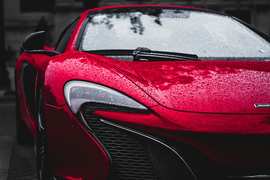
The interior of the 2005 Lotus Elise is a testament to its minimalist philosophy. The car is designed to be lightweight and functional, so luxury amenities are kept to a minimum. The seats are simple, supportive buckets that magically accommodate a wide range of physiques. The cockpit is sparse, with exposed structural elements and a focus on the driving experience.
The base model features hand-crank windows and basic carpeting. Lotus offers optional Touring and Sport packs to cater to different driver preferences. The Touring pack includes leather seat faces, power windows, an upgraded stereo, and additional carpeting and sound-deadening material. The Sport pack features firmer springs and dampers, adjustable shocks, and lightweight forged-aluminum wheels with sticky Yokohama A048 tires.
While the optional packs provide some added refinement, the core philosophy of the Elise remains unchanged. The car is designed to be a pure driving machine, and luxury amenities are secondary. This dedication to simplicity is what sets the Elise apart and ensures that the car remains a benchmark for driver-focused performance.
Performance: A Class of One
In a world where 600-horsepower supercars are commonplace, the 2005 Lotus Elise offers a different kind of performance. With 190 horsepower and a weight of just 1,975 pounds, the Elise boasts a power-to-weight ratio that puts it in a class of its own. Manufacturer estimates place the 0-to-60 mph time at 4.9 seconds, but the real magic of the Elise lies in its responsiveness and agility.
The Elise is more than just a quick car; it is an engaging and rewarding driving machine. The car’s light weight, responsive handling, and precise steering combine to create a driving experience that is both thrilling and communicative. In an era of increasingly digital and artificial driving experiences, the Elise offers a raw, visceral connection to the road that is unmatched by any other vehicle on the market today.
Conclusion: An Enduring Legend
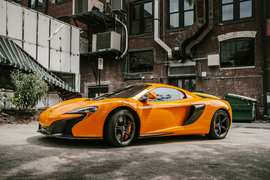
Even today, years after its launch, the 2005 Lotus Elise remains one of the best-handling cars available, regardless of price. It is a testament to the enduring power of lightweight engineering, precise tuning, and a focus on the driving experience. While modern automotive technology continues to evolve, the Elise stands apart as a reminder of what makes driving truly special. For those who appreciate the art of driving, the Elise offers an experience that is both pure and exhilarating—a true benchmark in automotive engineering.